
 Skip the bark chips and let these low-growing natives knit together a living carpet that feeds pollinators and smothers weeds.
Rain Gardens: Native Plants That Drink Up a Storm
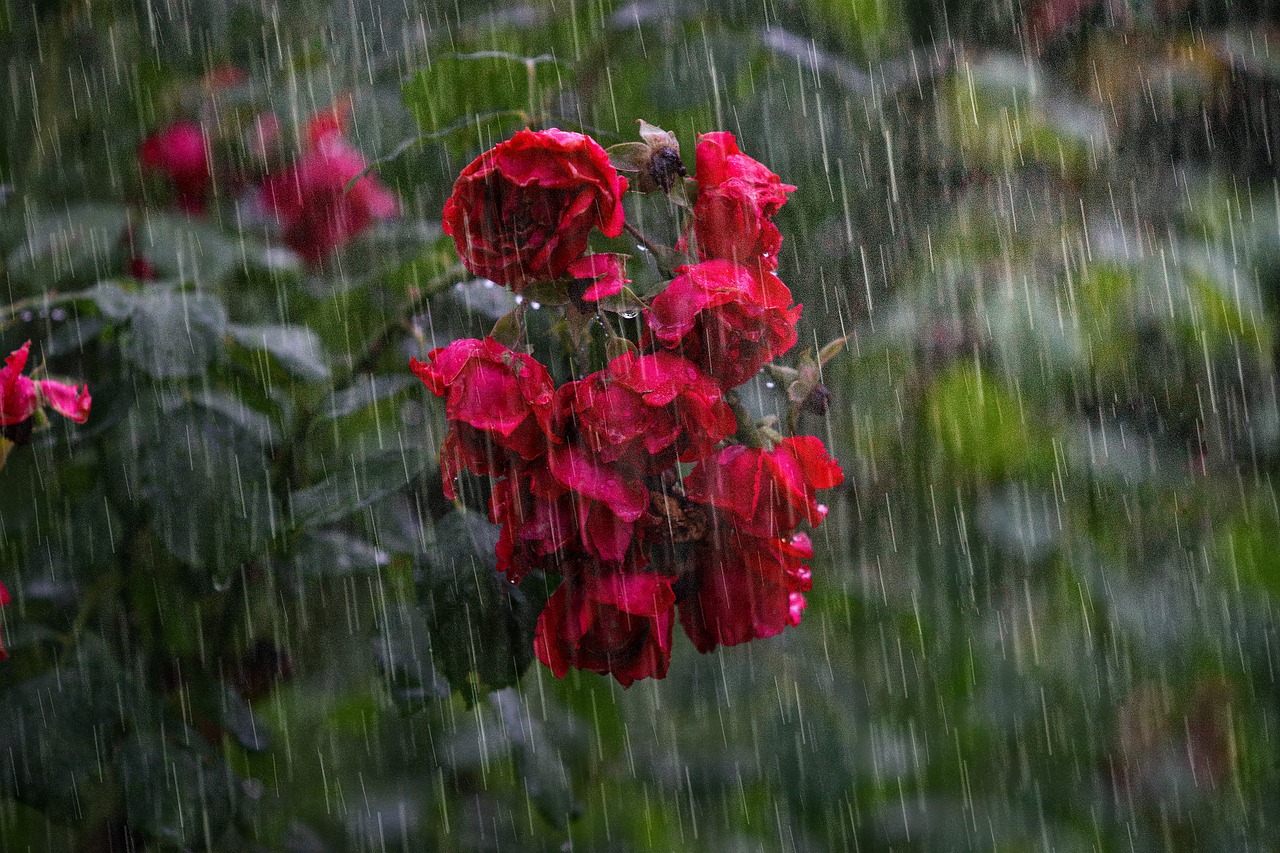
Water is a tricky thing in the garden. Too much of it in the wrong place causes erosion, drowns plants, and sends polluted runoff into storm drains and local streams. Too little of it in a dry spell leaves everything wilting. A rain garden is a simple, low-cost way to solve both problems at once. It is a shallow depression planted with native species that can handle both wet and dry conditions, and it turns a drainage problem into one of the liveliest parts of your yard.
The idea is straightforward. When rain falls on your roof, driveway, or patio, it runs off instead of soaking in. A rain garden is placed to catch that runoff, hold it for a day or two, and let it slowly soak into the ground. The plants and soil filter out pollutants, and the water recharges the groundwater instead of rushing into the street. You get a garden that waters itself, and your local watershed gets a break.
Designing a Rain Garden That Works
Location is the first decision. Put your rain garden where water naturally collects or where you can direct a downspout toward it. It should be at least ten feet from your foundation so water does not seep into the basement, and it should sit on a gentle slope or flat ground rather than in a low spot that never drains. Before you dig, test how fast your soil absorbs water. Dig a hole, fill it with water, and see how long it takes to disappear. If it drains within a day, you have good conditions. If it sits for days, you may need to amend the soil or choose a different spot.
The size depends on how much water you are catching. A rain garden that handles a single downspout can be small, maybe a hundred square feet or less. One that catches a whole driveway needs to be larger. You do not need to be precise. A reasonably sized garden that catches most of the runoff is far better than no garden at all. Shape it with a gentle basin, about six inches deep at the center, with sloped sides so water can spread out rather than pooling in one spot.
Native Plants for Wet and Dry
The plants in a rain garden have to be tough. They will be soaked after a storm and dry as a bone a week later. Native species from wet meadows and stream banks are perfect for this. In much of North America, good choices include swamp milkweed, Joe Pye weed, blue flag iris, cardinal flower, and various sedges and rushes. These plants have deep roots that hold the soil and help water infiltrate. They also feed pollinators and birds, so your rain garden becomes habitat as well as infrastructure.
Plant in layers. Tall species like Joe Pye weed and ironweed go in the center, where the water is deepest. Shorter species like sedges and marsh marigold go around the edges, where it is drier. Add a few shrubs if you have room, such as buttonbush or winterberry, which tolerate wet feet and provide cover for birds. Mulch with shredded leaves or aged bark to keep weeds down, but do not use a thick layer that might float away in a heavy rain.
Maintenance is light once the garden is established. Water new plants through their first summer if the rain does not cooperate. After that, the garden mostly takes care of itself. Cut back spent stems in early spring rather than fall, leaving the seed heads and hollow stems for birds and overwintering insects. A rain garden is one of the few garden features that pays you back twice, once in beauty and once in the health of the water that leaves your yard.