
 Skip the bark chips and let these low-growing natives knit together a living carpet that feeds pollinators and smothers weeds.

Five Native Groundcovers That Beat Mulch at Its Own Game
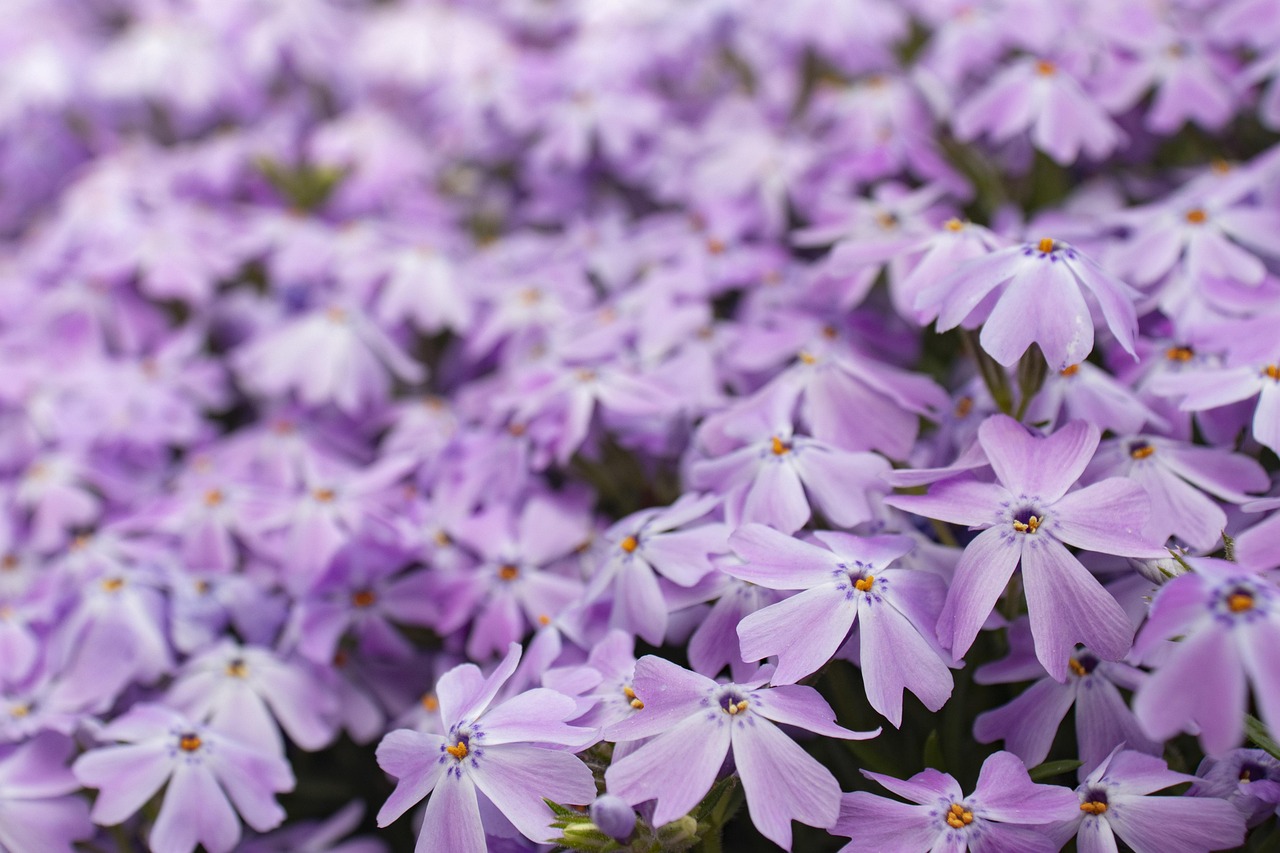
Mulch has its place. It suppresses weeds, holds moisture, and gives a garden a finished look. But a bag of shredded bark doesn't feed a single bee. Native groundcovers do all the same jobs while also providing nectar, cover for insects, and a bit of wildness that makes a garden feel alive. Here are five workhorses worth knowing.
Five Reliable Natives to Try
Wild strawberry (Fragaria virginiana) is a cheerful spreader that tolerates part shade and average soil. It sends out runners, forms a dense mat, and produces small white flowers in spring followed by tiny, intensely flavored berries that birds and turtles adore. It's a wonderful alternative to non-native lawn in sunny spots.
Pennsylvania sedge (Carex pensylvanica) looks like grass but behaves far better. It forms soft, fine-textured clumps that slowly fill in, tolerates dry shade under oaks and maples, and needs no mowing. It's one of the best lawn substitutes for shady yards.
Wild ginger (Asarum canadense) offers bold, heart-shaped leaves that create a lush carpet in shade. Its unusual maroon flowers hide at ground level and are pollinated by small flies and beetles. It spreads steadily but not aggressively, making it a good companion for ferns and woodland phlox.
Golden groundsel (Packera aurea) is a spring bloomer that lights up shady beds with yellow daisy-like flowers before most other plants wake up. It's semi-evergreen, spreads readily in moist soil, and supports early-season pollinators when little else is in bloom.
Prairie smoke (Geum triflorum) handles sun and dry soil with grace. Its nodding pink buds give way to wispy, smoke-like seed heads that catch the light. It's slower to spread than the others, so plant it in drifts rather than singly.
Getting Groundcovers Established
The first season is the hard part. Young plugs don't yet have the root mass to outcompete weeds, so plan to water regularly and hand-pull around them until they knit together. A thin layer of leaves or pine straw between plants helps hold moisture without smothering the newcomers.
Plant in groups rather than a single row of individuals. Groundcovers fill in from the edges, so a cluster of nine plants will cover ground faster than nine scattered singles. Give them a season or two, and you'll spend far less time weeding than you did with mulch.
As the carpet fills in, you'll notice something else: the garden starts to look after itself. Bare soil disappears, moisture stays put, and the whole bed hums with small life. That's the quiet payoff of choosing plants over chips.