
 A rain garden captures runoff from roofs and driveways, and native plants make it both beautiful and functional.

The Case for Messy: Why a Little Chaos Makes a Better Wildlife Garden
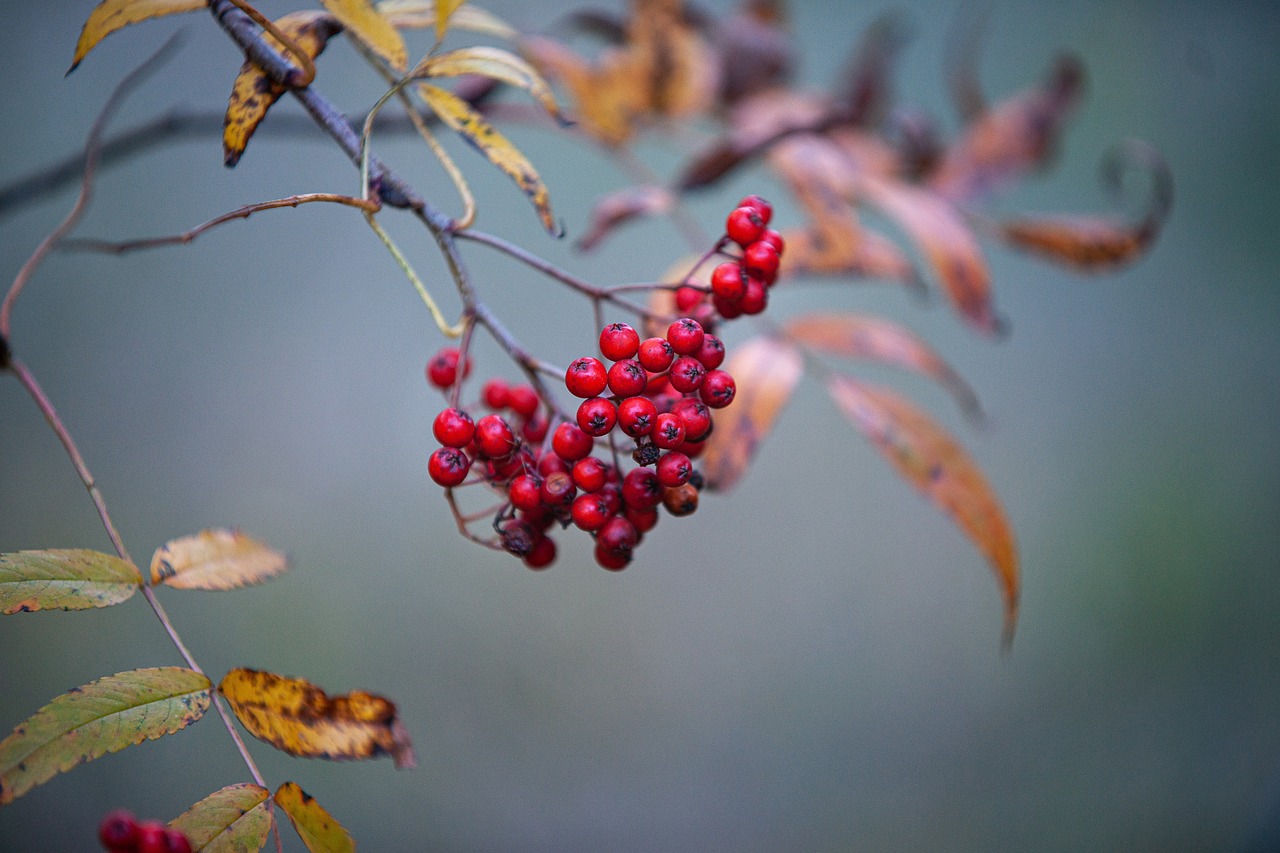
Every autumn, a quiet war is fought in gardens across the country. On one side stands the leaf blower, on the other a pile of maple leaves slowly going soggy in the corner of the yard. If you've ever felt guilty about the latter, this article is for you. A wildlife-friendly garden is not a tidy garden, and the mess you leave behind is doing more work than you probably realize.
Think about what a forest floor looks like. Nobody rakes it. Leaves fall, decompose, and become the spongy layer that feeds everything above and below. Your backyard can work the same way, if you let it. The trick isn't abandoning all care — it's being intentional about which kinds of untidiness you allow, and where.
Leave the Leaves (At Least Some of Them)
Leaf litter is one of the most underrated habitat features in a home landscape. Moths and butterflies often overwinter as pupae or larvae tucked into the duff beneath trees. Bumble bee queens burrow into soft soil and leaf cover to wait out the cold. Salamanders, frogs, and countless insects rely on that moist, insulating layer.
You don't have to leave every leaf. A practical compromise: rake leaves off the lawn and paths where they smother grass, but move them under shrubs, around tree trunks, and into garden beds. A ring of leaves beneath a native oak is not a mess — it's a nursery. If you have a back corner nobody sees, let it pile up deeply. That's your wild zone.
One caution: thick mats of leaves can smother small perennials. Spread them a few inches deep rather than letting them clump, and you'll get the habitat benefits without losing your plants.
Standing Stems and Seed Heads
Resist the urge to cut everything down in fall. Native perennials like coneflower, joe-pye weed, goldenrod, and asters hold seeds that feed goldfinches and other birds through winter. Their hollow stems are also prime real estate for native bees, which often overwinter inside them.
A good rule of thumb is to leave stems standing until late spring, once temperatures have consistently warmed and the insects have emerged. Then cut them back to about a foot tall and leave the clippings in a loose pile nearby. Those cut stems still contain overwintering bees, so don't send them to the curb.
If the look of bare stems bothers you, plant evergreen natives like inkberry or Christmas fern nearby to give the winter garden some structure. A little visual balance goes a long way toward keeping the peace with neighbors and family members who prefer things neat.
The larger point is this: every leaf you leave, every stem you spare, is a small act of habitat creation. You're not being lazy. You're being a landlord to a whole community of creatures that have nowhere else to go.