
 Native shrubs offer birds both food and cover, making them one of the most valuable investments a wildlife gardener can make.
Building a Pollinator Garden That Blooms From Spring to Frost
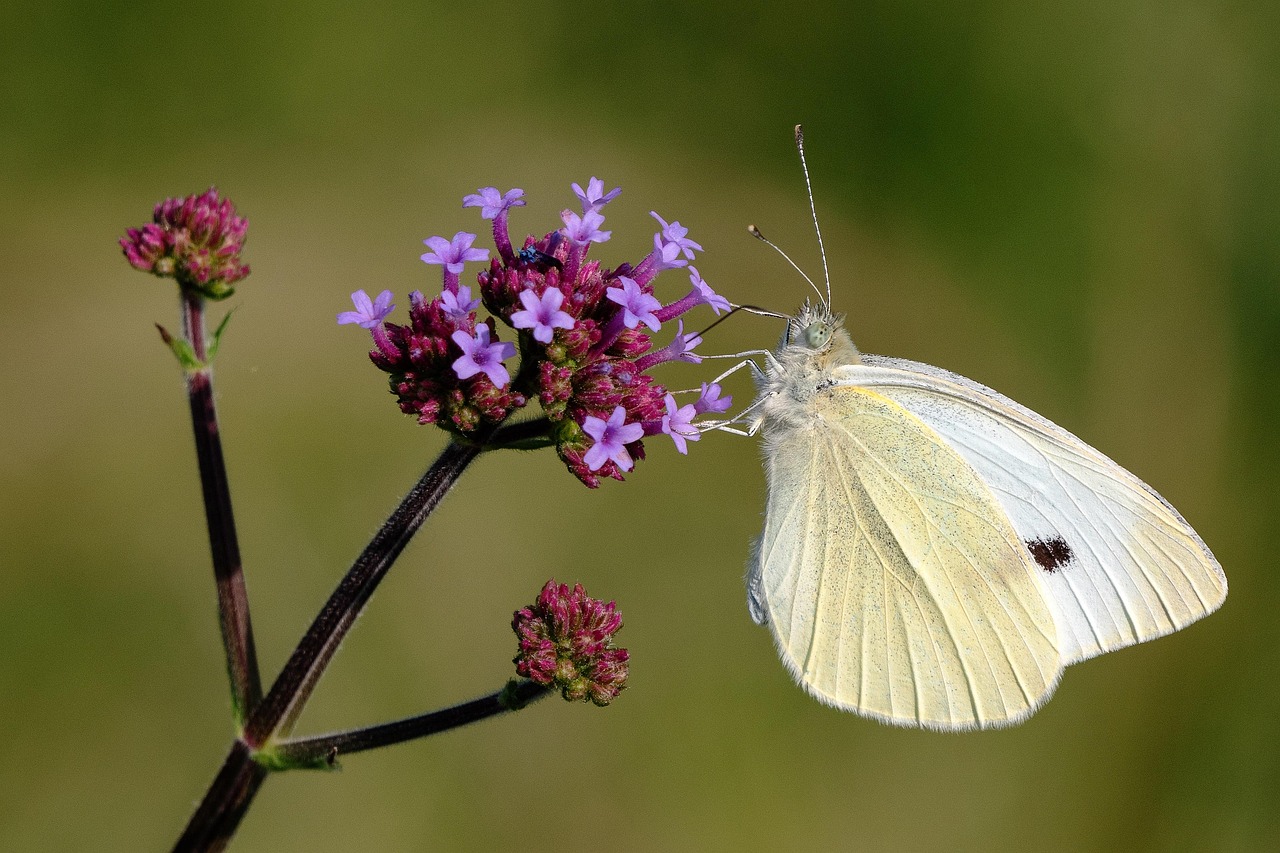
Many well-meaning pollinator gardens have the same flaw: everything blooms at once. For two glorious weeks in July the yard is a riot of color, and then it goes quiet. Bees, butterflies, and hummingbirds don't need a party — they need a steady supply of food from the first warm days of spring until the last frost. Planning for continuous bloom is the single most useful thing you can do for them.
Mapping the Seasons
Start by thinking in three waves: early, mid, and late season. Early bloomers feed pollinators emerging from winter dormancy, when natural food is scarce. Think pussy willow, red maple, serviceberry, golden groundsel, and creeping phlox. These plants are lifelines for queen bumble bees and early native bees.
Midseason is the easy part — this is when most gardens shine. Coneflowers, bee balm, mountain mint, butterfly weed, and joe-pye weed all bloom in the warm months and support a huge diversity of insects. Mountain mint deserves special mention: it's a pollinator magnet, often covered with more species than anything else in the garden.
Late season is where most gardens fall short, yet it may matter most. Migrating monarchs, overwintering bumble bees, and late-nesting native bees all need fuel in September and October. Asters, goldenrods, and native sunflowers carry the garden into autumn. Don't deadhead them — let the seed heads stand for the birds.
Designing for Structure and Shelter
Bloom time isn't the only consideration. Pollinators need shelter, and a flat, open garden offers little. Include a few taller shrubs or small native trees to create layers. A native viburnum, a redbud, or a clump of elderberry gives insects a place to rest and escape wind and rain.
Leave a patch of bare, undisturbed ground somewhere in the yard. Many native bees nest in the soil rather than in hives, and they need open, sunny dirt to dig into. A small brush pile in a back corner adds another layer of cover for overwintering insects and sheltering birds.
Finally, resist the urge to plant only one of everything. Pollinators are more efficient when they can visit a mass of the same flower, and drifts of color read better visually too. Group three to five of each species, and arrange them so something is always opening as another fades. Done well, a pollinator garden becomes a changing conversation across the seasons — never silent, never static.