
 A rain garden captures runoff from roofs and driveways, and native plants make it both beautiful and functional.
Leave the Leaves: Turning Autumn Cleanup Into Wildlife Habitat

Every fall, bags of leaves line the curbs of neighborhoods across the country. It is one of the strangest habits of modern gardening: we rake up one of the best free resources our yards produce, haul it away, and then buy mulch and fertilizer in spring to replace what we threw out. For a wildlife gardener, the leaf is not the enemy. It is the beginning of next year's garden.
Think about what a tree does with its leaves. It pulls nutrients from the soil, builds them into leaves all summer, and then drops them in autumn. Those leaves are a package of nutrients sitting on your lawn. If you let them stay, earthworms and fungi break them down and return those nutrients to the soil. If you bag them, you are shipping your soil's fertility to the landfill. The tree worked all year to make that package, and it is yours for free.
Why Leaves Matter to Wildlife
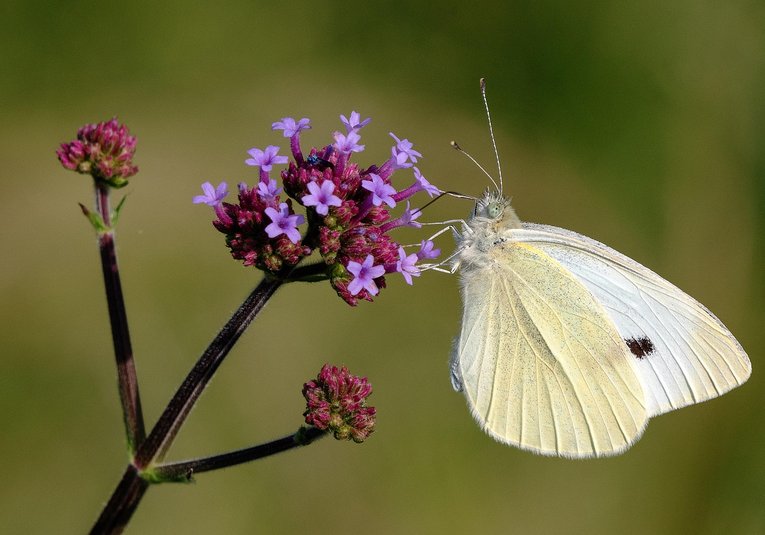
Leaves are not just food for the soil. They are winter shelter for an astonishing range of creatures. Many native bees and butterflies spend the cold months as eggs, larvae, or pupae tucked into the leaf layer at the base of plants. The mourning cloak butterfly overwinters as an adult, hidden in leaf litter or under loose bark. Luna moths and many others drop to the ground in autumn and wait in the leaves until spring. If you rake every leaf away, you are raking away next year's butterflies.
Birds know this too. A loose layer of leaves is a hunting ground for robins, towhees, and sparrows, who flip leaves aside to find insects and seeds underneath. Salamanders, frogs, and box turtles use leaf litter for cover and moisture. Even the lowly pill bug and the millipede are part of the food web, and they need leaves to survive. A yard with bare ground under the shrubs is a yard with far less life in it.
How to Use Leaves Without Making a Mess
You do not have to leave every leaf exactly where it falls. A little management keeps things tidy while still helping wildlife. Rake leaves off the lawn and paths and move them under trees, around shrubs, and into garden beds. There they act as mulch, suppressing weeds, holding moisture, and slowly feeding the soil. A two- to three-inch layer is plenty. Pile them a little deeper around the base of trees and shrubs, but keep them a few inches away from trunks to avoid rot.
If you have more leaves than beds, build a leaf pile in a back corner. It will break down into leaf mold, a wonderful soil amendment, and in the meantime it becomes habitat for overwintering insects and the creatures that eat them. You can also run the mower over a thin layer of leaves on the lawn. Chopped leaves sift down between the grass blades and disappear in a week or two, feeding the lawn without smothering it.
The hardest part of this habit is often the neighbors. A yard with leaves looks different from a yard with bare ground, and some people will see it as untidy. You do not have to convince everyone. Keep the front tidy and let the back be wilder, or frame your leaf beds with a neat edge so the intention is clear. Over time, as your garden fills with birds and butterflies, the results will speak for themselves. The leaves are not mess. They are the foundation of the habitat you are building.