
 Some popular garden plants attract adult butterflies but offer little to the caterpillars and birds that depend on native species.
Beyond the Butterfly Bush: Rethinking What Makes a Plant Wildlife-Friendly
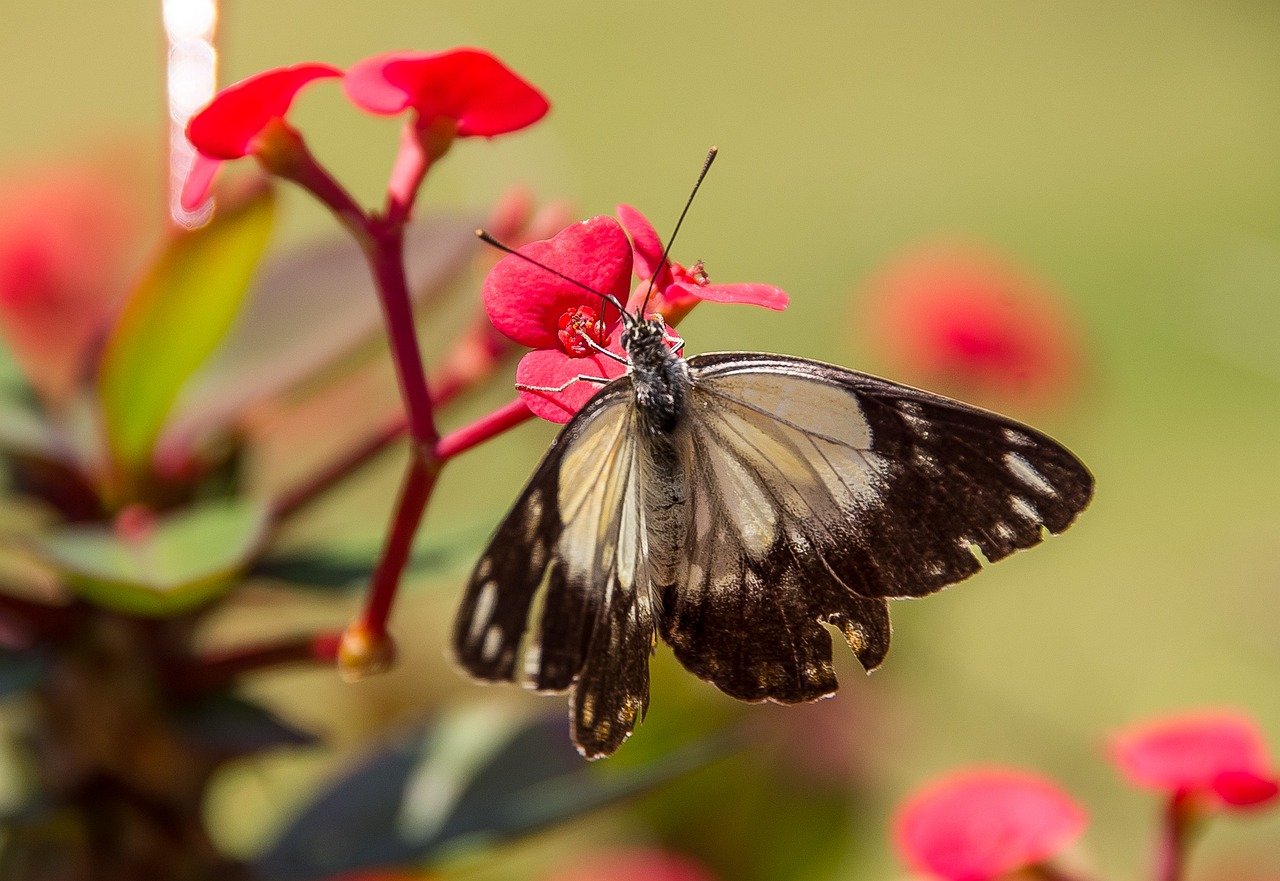
Butterfly bush is one of the most popular plants in wildlife gardening, and it is easy to see why. It grows fast, it blooms for months, and it is covered in butterflies all summer. It seems like the perfect plant for a pollinator garden. But there is a catch, and it is a big one. The butterflies you see on a butterfly bush are adults, sipping nectar. What they need even more is a place for their young to grow, and for that, most butterflies need native plants. A garden full of nectar but no host plants is a rest stop, not a home.
This is the heart of a shift that is happening in wildlife gardening. For decades, the focus was on nectar. Plant flowers, attract butterflies, done. But research into native plant gardening has shown that the real value of a plant is not just the nectar it offers. It is the entire relationship it has with the insects and birds around it. Native plants host native insects, and native insects feed native birds. That chain is what makes a garden a habitat rather than a display.
The Problem With Pretty Nectar Plants
Many of the most popular garden plants are exotic. They come from Asia, Europe, or South America, and the local insects have no evolutionary history with them. A butterfly might drink from a butterfly bush, but it will not lay eggs on it. A caterpillar that hatches on an unfamiliar plant often cannot digest the leaves and will starve. A garden full of exotic nectar plants can look busy and alive while offering almost nothing for the next generation of insects.
There is another issue with some exotic plants. A few of them, including butterfly bush in some regions, can escape the garden and spread into natural areas, where they crowd out native vegetation. That is a problem for wild habitat as well as for your own garden. Choosing native plants avoids this risk entirely.
This does not mean you have to rip out every non-native plant. A few well-behaved exotics can add color and interest. The goal is to make native plants the backbone of your garden, not the accent. If you have a butterfly bush and love it, keep it, but plant native species around it. The butterflies will still visit, and now their caterpillars will have somewhere to go.
What Native Plants Offer That Exotics Cannot
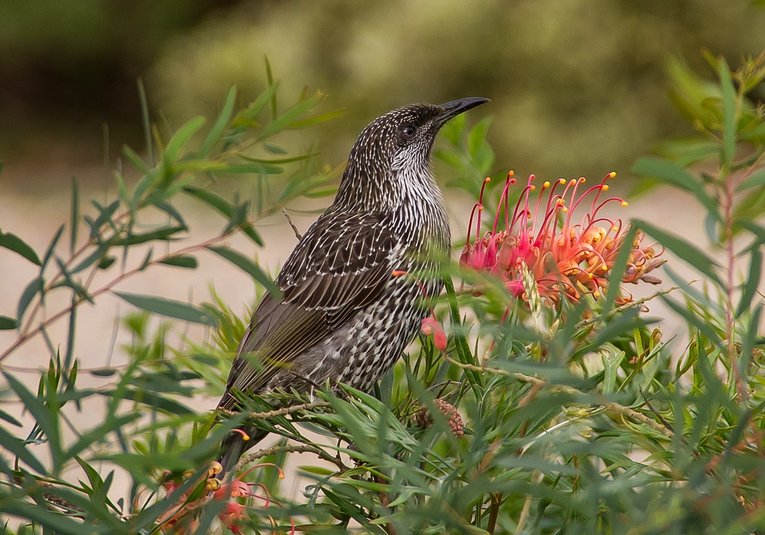
Native plants and native insects evolved together over thousands of years. Oaks, willows, cherries, and goldenrods host hundreds of caterpillar species each. These caterpillars are the main food source for nesting birds. A single pair of chickadees may bring thousands of caterpillars to their nestlings. No exotic plant can match that. The insects simply do not recognize it as food.
Native plants also support native bees, which are often specialists. Some bees only collect pollen from a single genus of plants. If that plant is missing from your garden, the bee cannot survive there. Native plants provide the specific pollen and nectar that these specialists need. And because native plants are adapted to your region, they need less water, less fertilizer, and fewer pesticides once they are established.
Making the switch is not about being purist. It is about being effective. If your goal is to help wildlife, plant the plants that wildlife actually uses. Start with a few native species that fit your site, and watch what happens. The bees, butterflies, and birds will tell you whether you got it right. A garden that feeds the whole life cycle is a garden that gives back far more than it takes.