
 Turning turf into wildflower meadow is a multi-year project, not a weekend — but the payoff is a yard that hums with life.
Planting for the Birds: Native Shrubs That Feed and Shelter Backyard Wildlife
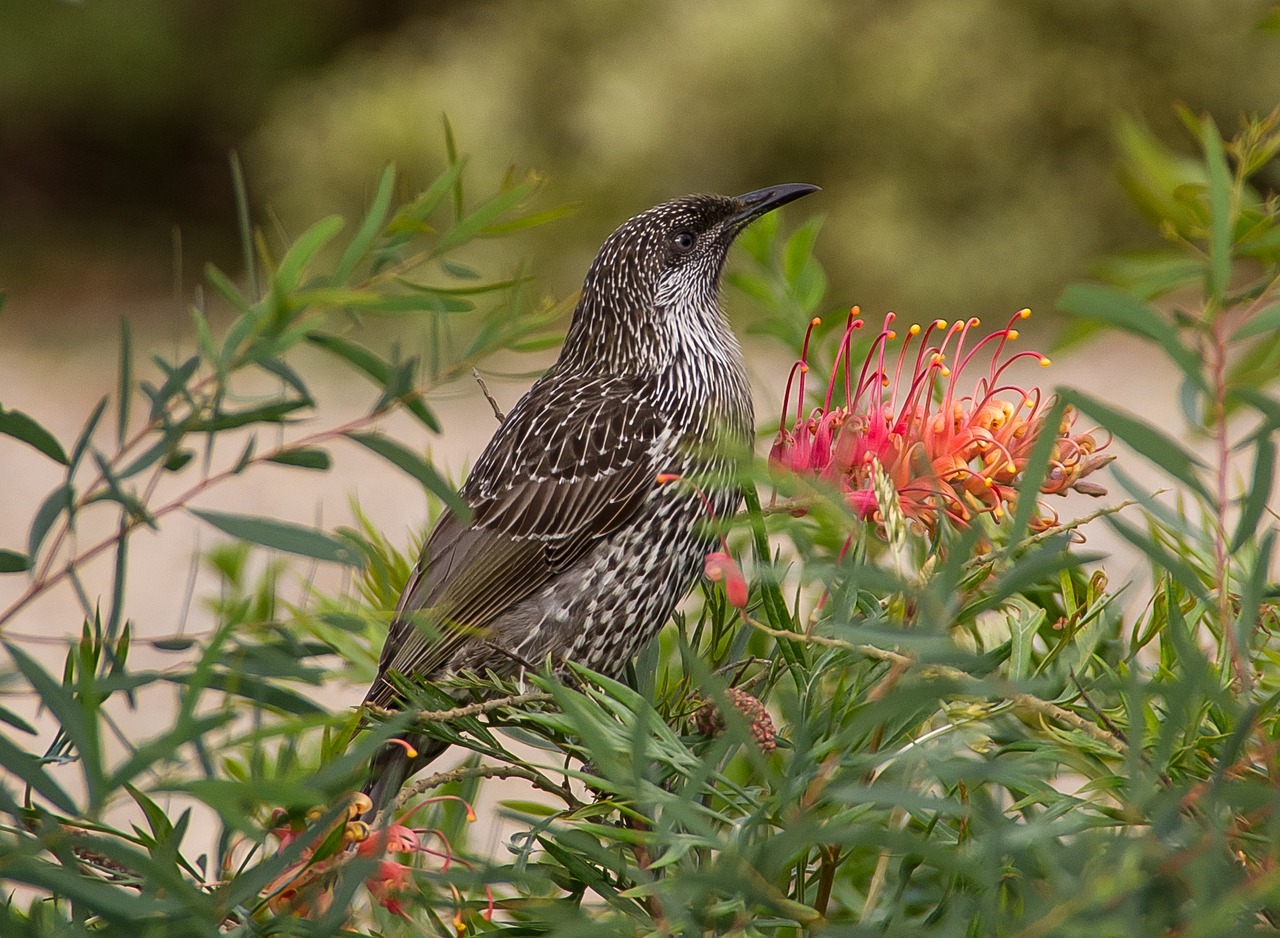
If you want birds in your yard, you need more than a feeder. Feeders are lovely and they bring plenty of entertainment, but they only offer one thing: calories. A native shrub offers birds something far more complete. It offers cover to hide from hawks, nesting sites in spring, insects to feed hungry chicks, and berries to carry them through winter. A single well-chosen shrub can do the work of several feeders, and it does it without needing to be refilled every week.
Think about what birds actually need across a year. In spring, migrating warblers and vireos arrive exhausted and hungry, and they are looking for caterpillars. Native shrubs host the caterpillars of native moths and butterflies, often dozens of species each. A non-native shrub might host one or two, or none at all. That difference matters because chickadees alone need thousands of caterpillars to raise a single clutch of young. A yard without native shrubs is a yard where raising a family is hard work.
Choosing Shrubs for Food, Cover, and Structure
Start with shrubs that offer berries in late summer and fall, when birds are storing fat for migration or bracing for winter. Native viburnums are excellent choices in much of North America, with species suited to different regions and soil types. Elderberry, serviceberry, and red osier dogwood all produce fruit that birds actually eat, unlike some ornamental berries that birds ignore because they lack the nutrition the birds need.
Cover matters just as much as food. Dense shrubs with a twiggy interior give birds a place to escape a sudden rainstorm or a passing Cooper's hawk. A shrub that is pruned into a tight ball loses much of that value. Let your shrubs grow with a natural, slightly loose shape. If you must prune, do it lightly and outside the nesting season, which for most birds runs from spring into midsummer.
Structure in the garden is also about layers. A shrub that stands three to six feet tall offers a middle layer between your tall trees and your low perennials. Birds like cardinals and song sparrows often nest in this middle zone, tucked into the denser branches. Plant shrubs in groups of two or three rather than as lonely specimens, so the cover is thick enough to be useful.
Planting and Caring for Shrubs the Wildlife-Friendly Way
Choose shrubs that are native to your region and suited to your site. A shrub that struggles because it is in the wrong soil will never provide the dense growth that wildlife needs. Check whether your site is wet or dry, sunny or shaded, and match the plant to those conditions. This is the single biggest factor in whether your shrub thrives.
Skip the chemical sprays. Insects are the foundation of the food web in your garden, and a shrub that has been sprayed for pests is a shrub that has no caterpillars to offer. A little leaf damage is a sign that your garden is working, not a problem to solve. Let the birds handle the pest control, which they do quite well when given the chance.
Water new shrubs through their first two summers so their roots can establish. After that, most native shrubs can fend for themselves. Add a layer of fallen leaves around the base rather than pulling them away. The leaf litter feeds the soil and gives ground-foraging birds like robins and towhees a place to hunt. Over a few years, your shrubs will grow into the backbone of a yard that feeds and shelters birds long after the feeder is empty.