
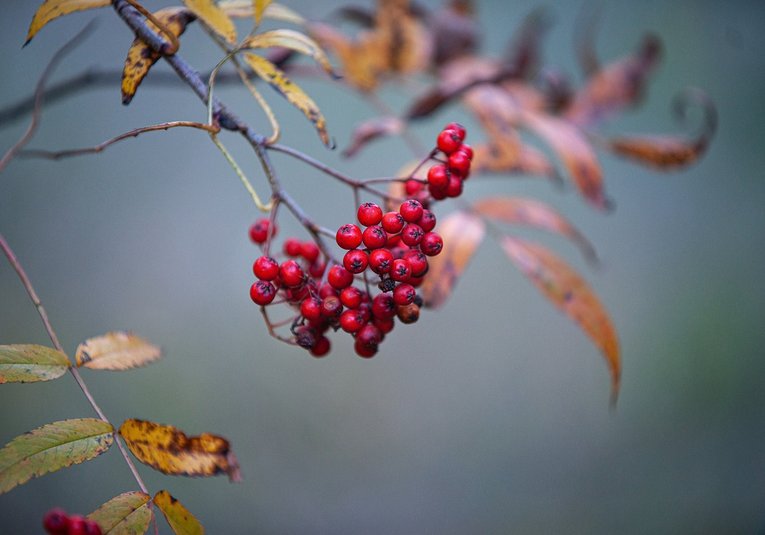
 Some popular garden plants attract adult butterflies but offer little to the caterpillars and birds that depend on native species.
Native Plants for Small Spaces: Big Habitat on a Balcony or Patio
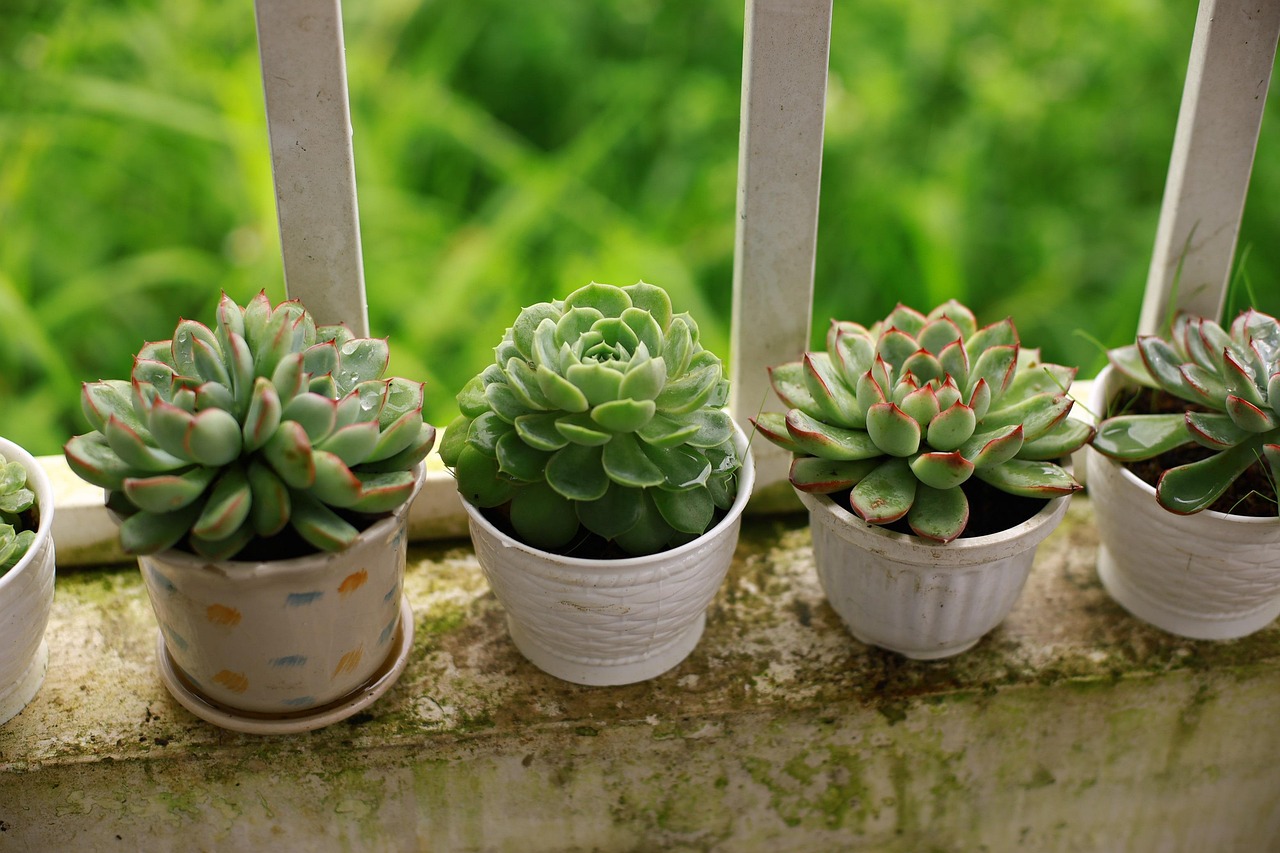
One of the persistent myths of native plant gardening is that it requires land. It doesn't. Some of the most rewarding habitat gardens I've seen were on balconies, stoops, and narrow side yards. Wildlife doesn't check property lines. If you offer food, water, and shelter, creatures will find it — even six floors up.
Choosing Plants for Containers
In a small space, every plant has to earn its keep. Favor species that are both pollinator-friendly and visually interesting over a long season. Native perennials like purple coneflower, black-eyed Susan, and lanceleaf coreopsis do well in pots and bloom for months. Annuals native to your region, such as partridge pea or plains coreopsis, can fill gaps while perennials establish.
Don't overlook grasses and sedges. Little bluestem, prairie dropseed, and Pennsylvania sedge bring movement and texture to containers and provide cover for insects. A pot of native grass next to a pot of flowers creates the kind of layered structure that small creatures seek.
If you have room for a shrub, consider native options that stay compact: dwarf varieties of native viburnum, New Jersey tea, or lowbush blueberry. These offer flowers, berries, and structure in a single plant — a lot of habitat value per square foot.
Water, Shelter, and the Details That Matter
A shallow dish of water with a few stones for landing is one of the simplest and most impactful additions to a small garden. Bees, butterflies, and birds all need to drink, and a saucer-sized puddle will get used daily. Refresh it often to prevent mosquitoes from breeding.
Shelter is trickier in small spaces, but not impossible. A small bundle of hollow stems tied together and hung in a sheltered spot can serve as nesting habitat for native bees. Leave a few dried seed heads standing through winter instead of cutting everything back. A single pot of overwintering perennial stems is a tiny insect hotel.
Finally, think vertically. A trellis with native climbing vines like coral honeysuckle or passionflower adds flowers at eye level and screens a wall or railing. Even a window box planted with native herbs and flowers contributes. The scale is small, but the principle is the same as a meadow: offer the right plants, skip the pesticides, and let a little wildness in. Wildlife will do the rest.